Personalized ribbons are much more than just decorative items; they represent an opportunity to weave brand identity physically into a product’s packaging and promotional materials. When two or more brands join forces, the need for a unified, coherent presentation becomes paramount. Custom ribbons help harmonize the messaging and visual aesthetics across the partnered brands, creating a consistent and memorable touchpoint for consumers. Whether it’s through the use of distinctive colors, logos, taglines, or unique patterns, personalized ribbons provide a subtle yet effective way to reinforce the combined brand narrative.
One of the most significant advantages of custom ribbons in brand partnerships is their ability to elevate product presentation and perceived value. Packaging is often the first tangible interaction a consumer has with a brand collaboration, and custom ribbons add an extra layer of sophistication and attention to detail. For example, luxury brands collaborating with artisanal boutiques often choose elegant satin ribbons embossed with both brand marks to convey exclusivity and craftsmanship. This not only delights customers but also enhances the credibility and professionalism of the partnership. Such thoughtful packaging elements signal to consumers that the collaboration is carefully curated, enhancing engagement and loyalty.
From a marketing perspective, personalized ribbons can be a cost-effective branding tool that increases brand recall during special campaigns or limited edition releases. Brands can leverage custom ribbons for co-branded giveaways, event decorations, or promotional gift wrapping, ensuring that the partnership stays top-of-mind well beyond the initial purchase. For instance, during festive co-marketing events, personalized ribbons with dual branding in vibrant colors can transform packaging into a celebration icon, attracting attention both in-store and online. This approach increases the likelihood of organic social sharing by customers, further amplifying brand exposure at minimal additional cost.
Exploring real-world **定制化合作案例展示** (customized collaboration case studies) highlights the diverse ways brands have successfully integrated personalized ribbons in their joint efforts. Take, for example, a collaboration between a popular cosmetics brand and an eco-conscious packaging company. By designing personalized ribbons made from sustainable materials featuring both brand logos and environmental messages, the partnership not only strengthened their shared commitment to sustainability but also resonated deeply with their target audience’s values. This level of customization helped establish authenticity in the collaboration and created a unique selling proposition that differentiated their joint products from competitors.
Another compelling case is the partnership between a premium chocolate maker and a luxury hotel chain, where custom ribbons were used to wrap exclusive gift sets provided to guests. The ribbons were carefully designed with elegant typography and colors representing both brands, enhancing the unboxing experience and leaving a lasting impression of the collaboration’s exclusivity. This attention to detail helped both brands to benefit mutually by reinforcing their premium positioning and driving higher perceived value.
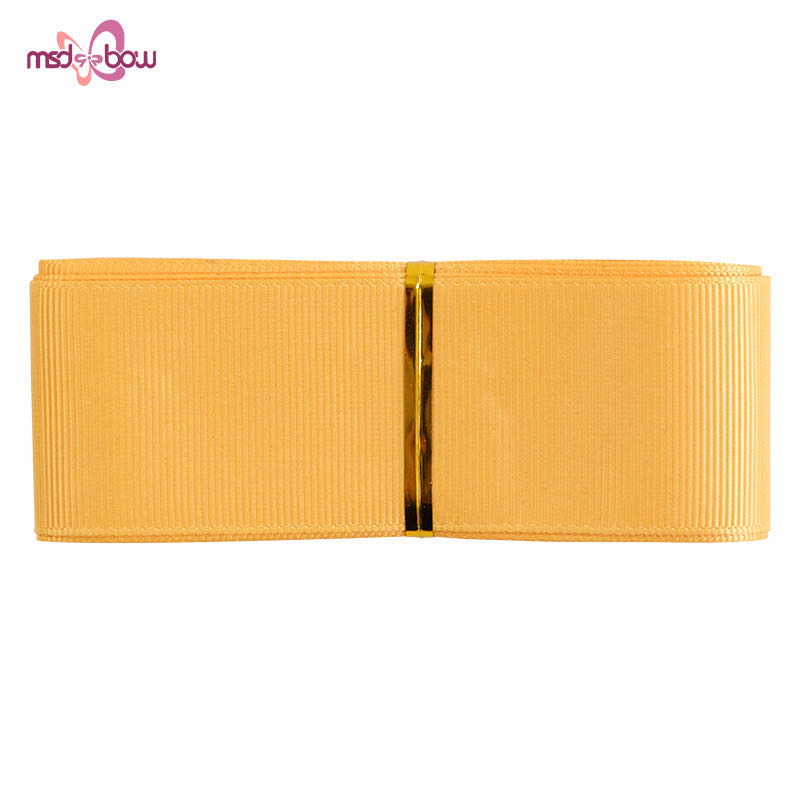
From production to design, the flexibility of personalized ribbon options facilitates a wide range of creative expressions in brand collaborations. Brands can choose from various materials such as grosgrain, satin, or organza, select colors that align with both brand palettes, and incorporate different printing techniques like embossing, foil stamping, or digital printing. This level of customization makes it possible to tailor ribbons precisely to a partnership’s marketing goals and aesthetics, ensuring every detail supports unified brand messaging.
Moreover, personalized ribbons can play a critical role in storytelling within brand collaborations. They offer a tactile, visual element that can communicate the partnership’s narrative—whether it’s highlighting innovation, tradition, luxury, or sustainability. By embedding descriptive messages, campaign hashtags, or iconic brand elements into ribbons, collaborations encourage customers to engage with the story behind the partnership, creating emotional connections and enhancing brand loyalty.
In conclusion, the importance of custom ribbons in brand partnerships cannot be understated. These personalized touches serve as multifaceted branding tools that support consistent messaging, enhance product appeal, and foster deeper consumer engagement. By investing in custom ribbon solutions, brands collaborating on joint ventures add a layer of professionalism and creativity that differentiates their offerings and maximizes the impact of their partnership efforts. Through a variety of materials, printing techniques, and design possibilities, personalized ribbons bridge the gap between visual identity and emotional storytelling, ultimately driving successful and meaningful brand collaborations.
In the dynamic world of brand collaboration, personalized ribbons have emerged as a subtle yet powerful tool for elevating promotional efforts and enhancing brand visibility. When thoughtfully designed, these customized ribbons not only add aesthetic appeal but also reinforce brand identity, create memorable customer experiences, and foster deeper connections between partners. To achieve the desired impact, it is crucial for companies to pay close attention to several key elements when designing personalized ribbons for brand partnerships.
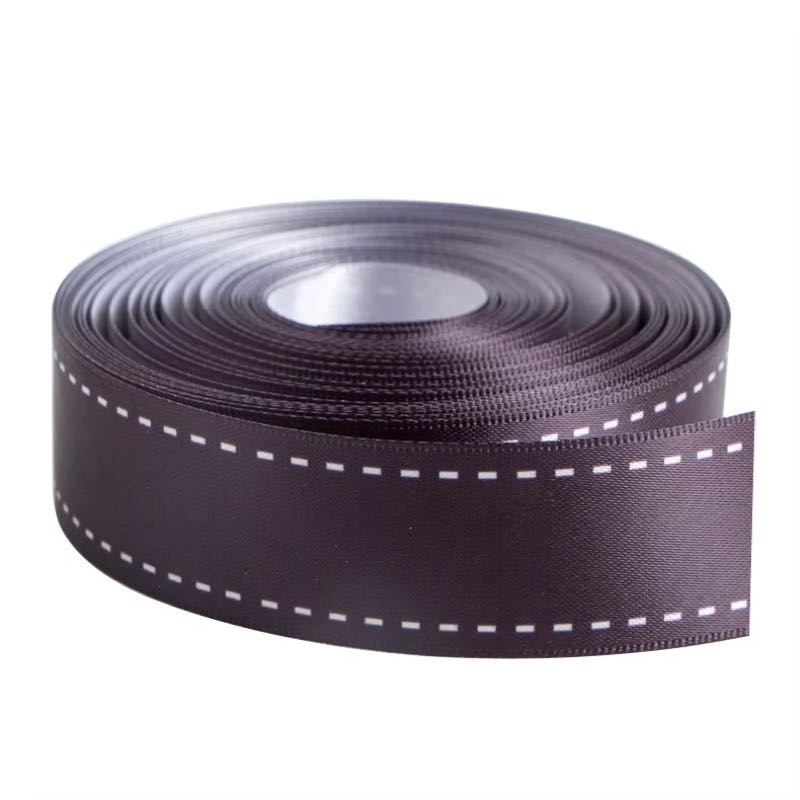
The foundation of any personalized ribbon is its material. Quality materials maximize the visual appeal and tactile impression that the ribbon leaves on recipients. Satin, grosgrain, organza, and velvet are among the popular choices, each offering distinct textures and finishes. Satin ribbons, with their luxurious sheen, often suit high-end brands and elegant product packaging, while grosgrain’s ribbed texture provides a more casual, durable alternative suitable for wide-ranging industries. Deciding the right material requires understanding the brand’s identity and the context in which the ribbon will be used—for example, an upscale cosmetic brand will benefit from satin or velvet ribbons , while an eco-friendly brand might prefer natural fibers.
Color is a vital aspect of personalized ribbons as it immediately communicates brand personality and aides recognition. When choosing colors, it is essential to consider the brand’s established color scheme as well as the psychological impact colors convey. For instance, blue often evokes trust and calmness, making it a favored choice for corporate brands, whereas red conveys energy and urgency, which might be preferable for brands in the sports or food sectors. For brand collaborations, harmonizing multiple brand colors on a single ribbon can be challenging, but creative approaches such as dual-sided printing or subtle accent colors help balance the identities effectively without visual clutter.
The method of customization dramatically influences the final appearance of a personalized ribbon. Printing methods like screen printing and heat transfer allow for vivid, intricate logos or slogans, suitable for dynamic campaign messaging or brand storytelling. Embroidery, on the other hand, adds a textured, premium feel that enhances perceived value and durability. Additionally, innovative techniques such as foil stamping and debossing can further elevate the ribbon’s elegance and tactile impact. When collaborating with brands, selecting the right customization method depends on factors such as budget, design complexity, and intended usage.
Practical design factors such as width and length directly affect both the visual balance and functional adequacy of personalized ribbons. Wider ribbons provide a larger canvas for detailed logos and messages, enhancing visibility, especially on gift boxes or product packaging. Narrow ribbons, meanwhile, are ideal for subtle branding on apparel tags or smaller promotional items. Length also matters because excess ribbon can be wasteful, while insufficient length limits decorative flexibility. Providers should work closely with brand partners to determine the appropriate dimensions tailored to each application, whether it’s wrapping gifts, securing packaging, or event decorations.
The application of logos and taglines on personalized ribbons is a core element for brand collaboration success. Ensuring clarity, legibility, and correct placement is paramount. Logos should be proportionate to ribbon size and free from distortion. For partnerships involving multiple brands, creating a balanced visual hierarchy that gives equal prominence without overcrowding is crucial. Furthermore, incorporating meaningful taglines or campaign hashtags on ribbons can reinforce messaging and encourage audience engagement, especially during events or product launches where social media amplification is vital.